top of page


MUNET -
Interactive
Energy Simulator
Interactive bicycle installation designed to raise awareness about energy generation and consumption.

Mexico, Mexico City
Interactive Developer
Unity
Bicycles
Museum
Installed
Project Snapshot
PROBLEM
Energy generation and consumption are abstract concepts that are difficult to understand through traditional museum displays.
SOLUTION
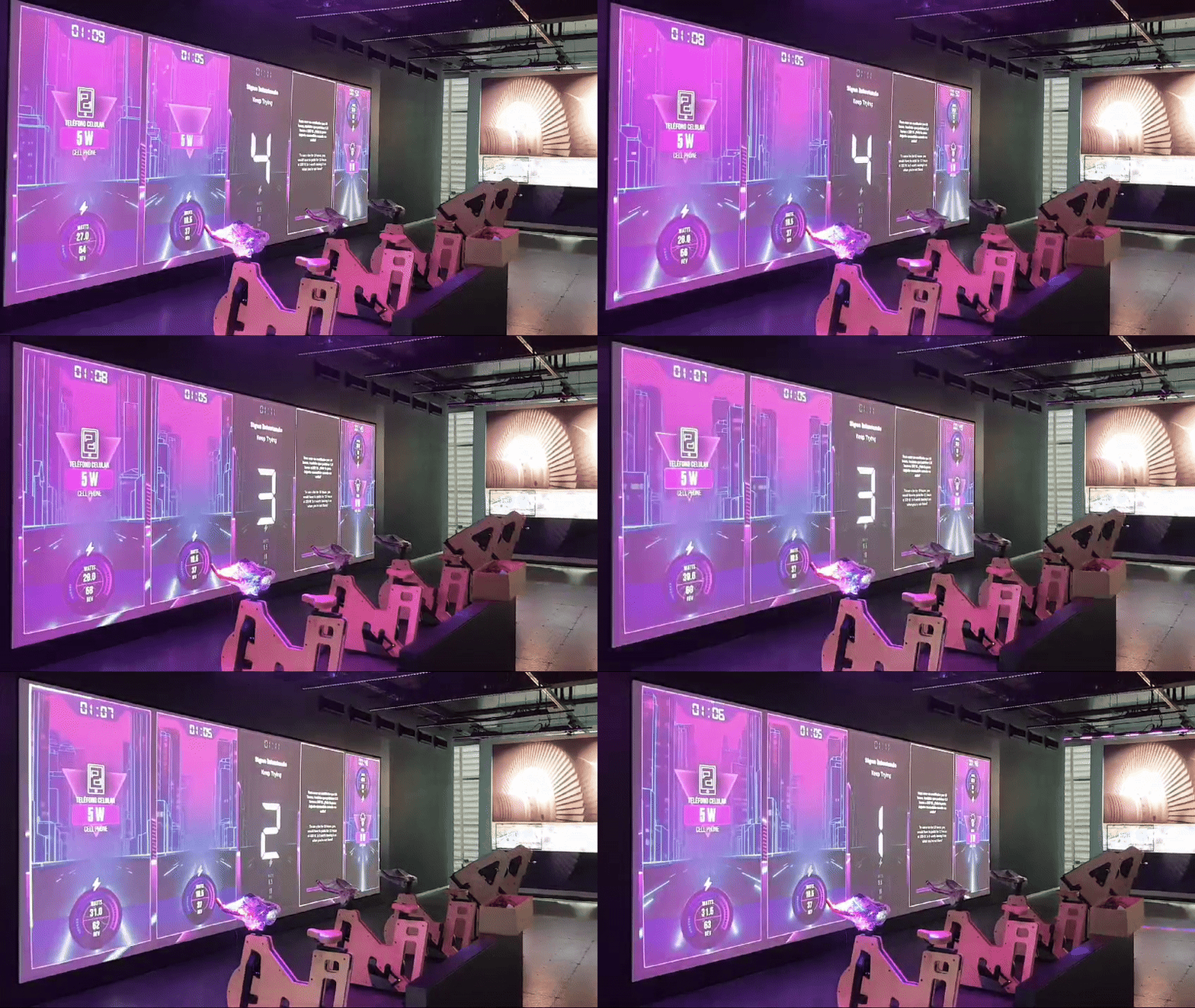
An interactive installation where visitors generate energy by pedaling bicycles and immediately see the impact of their effort through visual and lighting feedback.
RESULT
A permanent multi-user experience that helps visitors understand how much effort is required to produce electricity and how it relates to everyday energy use.
My Contribution
Led the full integration of visual systems and physical inputs
Designed the communication flow between sensors, Unity, projection, and DMX lighting
Developed the real-time visualization layer driven by physical effort data
Implemented system logic to synchronize multiple users interacting simultaneously
Coordinated on-site system calibration to ensure stable public operation
Key Highlights
5
Simultaneous Players
3 + 2
Pedal-powered bicycles and hand-powered generators
100%
Real-time physical to digital feedback
Gallery


Technical Notes
Unity
C#
Arduino
OSC
DMX
Projection Mapping
< >
Modular hardware setup designed to support different types of physical input
< >
Sensor data is processed in real time to drive visual feedback and DMX-controlled lighting
< >
System optimized to handle five simultaneous physical inputs in a shared space
Impact

Installed as a permanent interactive exhibit in a national energy and technology museum
Allows multiple visitors to interact together and compare their physical effort
Helps visitors understand how much energy common household appliances consume and that generating electricity requires significant physical work
Learnings

Working on this project reinforced how Unity can act as a central hub to connect software, hardware, and visual systems into a single interactive ecosystem. The flexibility of the engine made it possible to integrate sensors, projections, and lighting in a cohesive way.
Designing experiences based on physical effort showed that people understand abstract concepts more easily when they can feel them in their own bodies. Pedaling and seeing immediate results helped visitors build a clear mental model of energy generation and consumption.
Developing a multi-user, physically demanding installation highlighted the importance of collaboration. Projects of this scale require close coordination between developers, designers, technicians, and museum staff to achieve a stable and meaningful experience.
Interested in interactive installations or educational experiences like this?
Let's work together


Discord username: coyoterobot
bottom of page